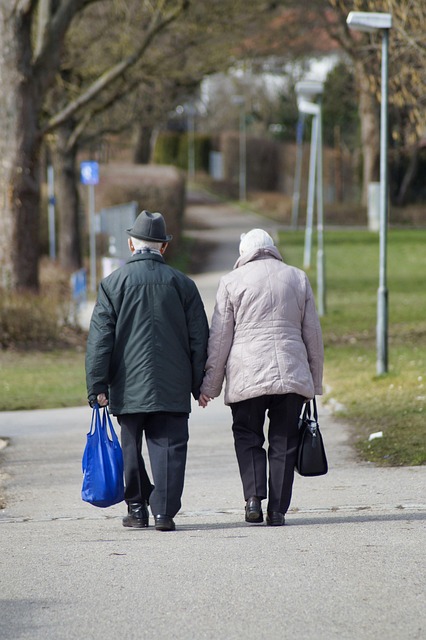
A respectful, person-first lens
Our content helps you balance practical tasks with emotional wellbeing, so support feels collaborative rather than controlling.
Our purpose
Caring for an older adult often involves many small decisions: how to encourage hydration without pressure, how to communicate when someone feels anxious, and how to make the home safer without making it feel clinical. Heather and Rose Health exists to organize those decisions into practical, readable guidance that you can apply at your own pace.
We focus on methods that support everyday quality of life: person-centered routines, comfort-first home adjustments, and clear planning that reduces confusion across family members and caregivers. Our aim is to help you feel steadier and more prepared, whether you are supporting a loved one or coordinating care in a broader support network.
Clarity over complexity
We translate common care topics into steps you can follow, with simple check points and realistic expectations.
Dignity in daily care
We encourage language, pacing, and choices that help preserve autonomy and reduce frustration.
Safety without fear
We highlight practical prevention: lighting, footwear, clutter reduction, and observation habits that support earlier action.
Planning and coordination
We provide ways to track changes, prepare for appointments, and share responsibilities across a care team.

How our pages fit together
Start with Care Methods to understand the big picture, then move to Practical Tips for steps you can apply immediately. If you want updates as new resources are added, use the registration form.
What we cover
We focus on everyday care topics that commonly affect comfort and safety. The goal is to help you notice patterns, keep routines predictable, and communicate in a way that reduces stress. The guidance is written for general informational use and can support better conversations with professionals when questions arise.
Daily wellbeing routines
Gentle activity, hydration cues, meal support, sleep-friendly environments, and companionship habits that reduce isolation.
Mobility and safe movement
Preparing the space, pacing movement, and observing changes that may suggest a need for additional support.
Communication and reassurance
Calm language, short prompts, and validation techniques that can make assistance feel safer and less rushed.
Care coordination
Shared notes, appointment preparation, and role clarity across family members and caregivers to reduce miscommunication.
Important note
The information on this website is for informational and educational purposes only and does not constitute medical, legal, or professional advice. For diagnosis, treatment, or urgent concerns, consult a qualified professional.